
Find the Right Performance PT in Needham — Your Energetic Checklist to Get You Back in the Game
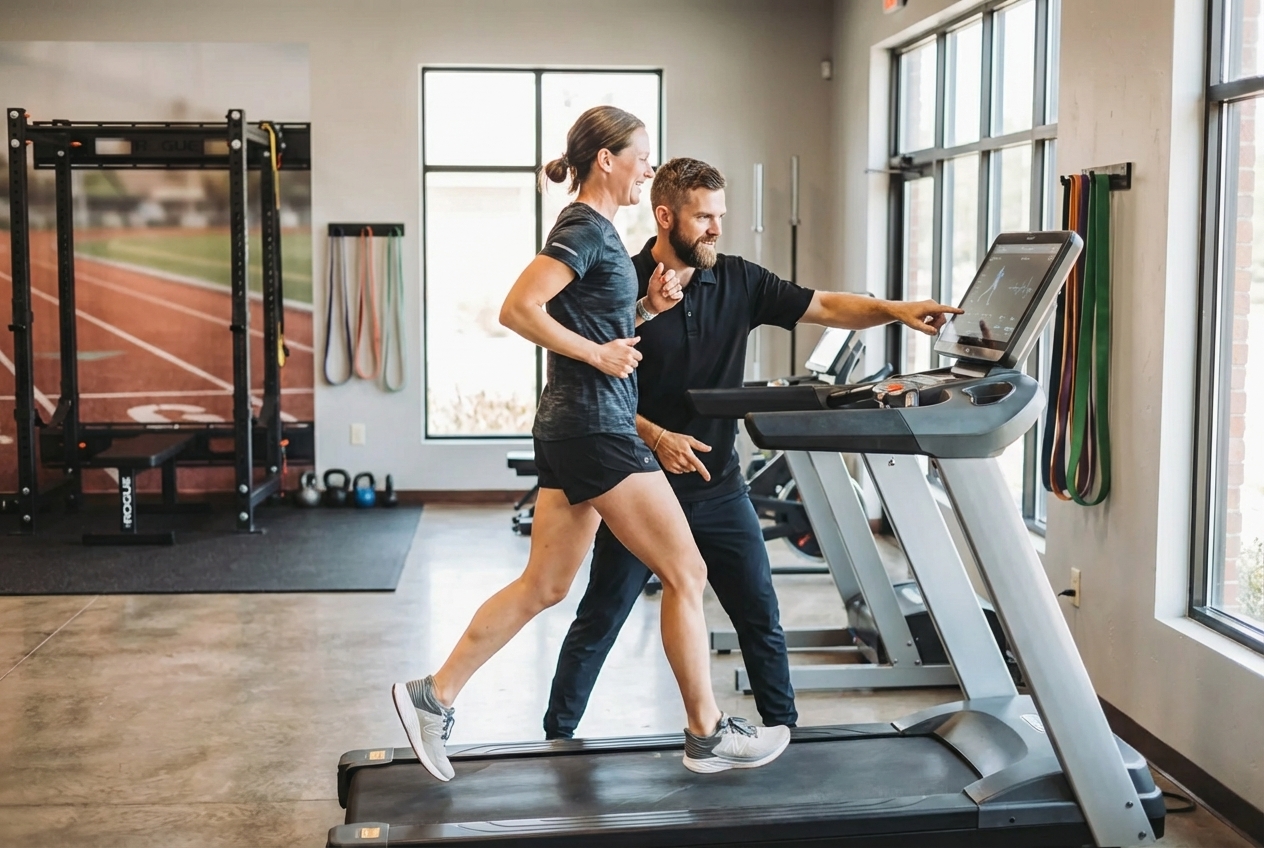
Injury is frustrating. You know your body, you know your sport, and you know what it takes to compete at your level. But when pain or dysfunction forces you to the sidelines, settling for mediocre rehabilitation is not an option. You didn't train this hard to accept "good enough" as your finish line.
Finding the right performance physical therapist in Needham can mean the difference between simply recovering and returning to your sport stronger, faster, and more resilient than before. This checklist will help you identify the crucial elements that separate generic PT from true performance-driven rehabilitation. Your comeback deserves nothing less than excellence.
Does Your PT 'Speak Your Language' of Performance?
Not all physical therapists understand the demands you face as a competitive athlete or highly active adult. The difference between general rehabilitation and performance physical therapy in Needham is profound. You need a provider who understands your mindset, your goals, and the specific requirements of your sport or occupation.
Demand True Athlete Specialization, Not Just General Rehab
Your body is not broken. You are an athlete who needs optimization, not just pain relief. This is why specialization matters. Do they work regularly with runners who demand explosive power from their lower body? Do they understand the metabolic demands of CrossFit? Can they appreciate the physical and mental resilience required of first responders and military personnel?
The right clinic specializes in competitive athletes, runners, CrossFitters, first responders, and military personnel because these populations require a different approach. Ask yourself: Does this provider truly understand my sport and my goals? If the answer is anything less than a definitive yes, keep looking.
Look for Doctors of Physical Therapy Who Are Also Certified Strength & Conditioning Specialists
Credentials matter when your performance is on the line. A Doctor of Physical Therapy (DPT) brings expert knowledge of the musculoskeletal system, injury mechanisms, and therapeutic interventions. But when that expertise is combined with a Certified Strength and Conditioning Specialist (CSCS) credential, you get something exceptional.
A DPT with CSCS certification can optimize performance with sport-specific movements, design advanced exercise training regimens, and provide evidence-based guidance on injury prevention. While a CSCS certification is not strictly necessary for a PT to work with athletes, it provides advanced strength and conditioning concepts that may not be extensively covered in standard DPT programs. This dual expertise allows your therapist to have a comprehensive understanding of both therapeutic exercise and performance-based training, which can greatly influence your athletic performance and rehabilitation outcomes.
Ensure They Excel in Your Specific Injury
Generic protocols will not cut it when you have sport-specific injury patterns. You need a clinic with proven specialization and a strong track record in treating injuries common among active populations. Whether you are dealing with an ACL reconstruction, shoulder instability, or ankle and foot injuries, the right provider uses targeted, evidence-based return-to-sport protocols designed to get you back in the game safely and effectively. Ask about their experience with your specific injury and what their return-to-play success rates look like.
Is Their Facility Built for Your Comeback to Dominate?
Your environment matters. You cannot properly prepare to return to explosive athletic movements while limited to a few resistance bands and a stationary bike. The right performance PT facility should reflect the demands of your sport.
Beyond the Band and Bike: Seek a True Performance-First Facility
Look beyond traditional clinical settings. A performance-first facility equipped with turf, sleds, barbells, and athletic training equipment is vital for simulating real-world athletic movements and pushing your boundaries safely. This type of environment allows your therapist to progressively load your movements in ways that mirror your sport, whether that means explosive sprinting, heavy lifting, or agility drills. This equipment is essential for proper return-to-sport preparation, bridging the gap between rehab and performance.
Does Their Approach Include Performance Therapy & Exercise Programming?
Effective performance PT integrates advanced exercise programming directly into your rehabilitation. It is not just about treating the injury. It is about building a robust, resilient body ready for future challenges. Does the clinic offer sport-specific training protocols? Can they help you develop strength, power, and conditioning while you recover? This holistic approach ensures you do not just heal, but optimize your entire physical capacity.
What Level of Personalized, One-on-One Care Can You Expect?
Your time is valuable, and your body deserves focused, expert attention. The quality of care you receive is directly tied to the attention your therapist can provide during each session.
Your Time is Valued: Demand One-on-One Personalized Care
Quality rehabilitation for athletes requires undivided attention. Dedicated 45-60 minute one-on-one sessions with your DPT allow for deep assessment, precise treatment, and individualized progression. These longer sessions and increased overall time spent with a physical therapist have been correlated with improved recovery rates and patient satisfaction.
With dedicated attention, your therapist can closely monitor your progress, make real-time adjustments to your treatment plan, and ensure exercises are performed with proper form, preventing further injury. Every minute of your session should be optimized for your recovery and performance gains. Anything less is a compromise you should not accept.
Bypass the Bureaucracy: Access Performance PT Directly, No Referral Needed
Time is precious when you are sidelined. Direct access to physical therapy means you do not need a physician referral to start your recovery journey. For athletes eager to get back to training and competition, minimizing delays is critical to maintaining momentum and mitigating further deconditioning. Why wait weeks for appointments when you can start addressing your injury immediately?
Are They Leveraging Cutting-Edge Recovery Modalities for Faster Results?
The right clinic does not rely solely on outdated methods. Advanced recovery modalities can accelerate your healing, reduce pain, and optimize your rehabilitation timeline.
Go Beyond the Basics: Explore Advanced Recovery Tools & Techniques
Look for clinics offering advanced recovery modalities that give you an edge in rehabilitation:
- Dry Needling: This technique has emerged as promising in sports medicine for alleviating pain perception in athletes during recovery stages. It can reduce pain symptoms, increase pain threshold, improve joint mobility, reduce muscle stiffness, improve blood flow, and enhance soft tissue healing.
- Shockwave Therapy: There is solid evidence supporting the use of extracorporeal shockwave therapy for improving pain in various musculoskeletal pathologies, including tendinopathies and muscle injuries. Shockwave therapy is associated with less pain, better function, faster return-to-play, and reduction in lesion size for muscle injuries.
- Cupping: Cupping therapy has low to moderate evidence in musculoskeletal and sports rehabilitation and may be a useful intervention for decreasing pain levels and improving blood flow to the affected area with low adverse effects.
- Blood Flow Restriction (BFR) Training: BFR training is considered a safe and effective approach in sports medicine. It can augment strength and hypertrophy gains during early phases of rehabilitation when higher loads are not tolerated, and it can be used to mitigate weakness and atrophy after musculoskeletal injury or surgery without overloading healing tissues.
- NormaTec Compression: This recovery tool aims to reduce swelling, improve lymphatic return, increase blood flow, and reduce pain. Research suggests NormaTec can help reduce blood lactate levels following high-intensity exercise and has been shown to decrease muscle soreness and fatigue, enhance circulation, and improve range of motion.
These tools are not gimmicks. When used appropriately by skilled clinicians, they can accelerate your healing, reduce pain, and optimize your recovery, giving you an edge in your rehabilitation and return-to-play timeline.

Ready to Ignite Your Recovery and Return Stronger to the Needham Arena?
You deserve a performance physical therapy experience that matches your dedication and drive. The right clinic will:
- Specialize in athletes, runners, CrossFitters, first responders, and military personnel
- Employ Doctors of Physical Therapy who are also Certified Strength and Conditioning Specialists
- Provide 45-60 minute one-on-one sessions with your dedicated therapist
- Offer a performance-first facility with turf, sleds, barbells, and athletic training equipment
- Utilize advanced recovery modalities like dry needling, shockwave therapy, cupping, BFR, and NormaTec compression
- Specialize in your specific injury with proven return-to-sport protocols
Your goal is not just to recover. Your goal is to return to your sport stronger, faster, and more resilient than before. Do not settle for a clinic that does not understand that distinction.
If you are ready to start your journey back to peak performance with a team that understands what it takes to compete at your level, contact us today to schedule your initial assessment. Your comeback starts now.
Train Like an Athlete.
Recover Like a Pro.
Movement Lab isn't just another PT clinic. It's where active adults and athletes get back to doing what they love better than ever. Request an appointment and experience performance-first rehab.